
Flipping the Classroom: Moving Lectures Online to Make Room for Active Workshop Time
Imagine this classic scene: An educator stands at the front of a room, spending 45 minutes writing complex equations, code loops, or historical data trends on a whiteboard. The students sit passively, frantically copying down notes, trying to keep up with the delivery pace.
Then, the bell rings. The students are sent home with a heavy set of advanced application problems.
Away from the classroom architecture, isolated from the educator’s guidance, the structural roadblocks appear. A student gets stuck on step two of a python loop or an accounting outflow calculation. With no immediate feedback loop available, frustration sets in, task paralysis takes over, and the assignment is left completely empty.
This is the traditional instructional model—and it contains a massive, systemic bottleneck. It uses valuable, live group time for passive listening (which can be done anywhere) and forces students to handle the most difficult part of learning—practical, high-stakes application—alone at home.
The solution is Flipped Learning.
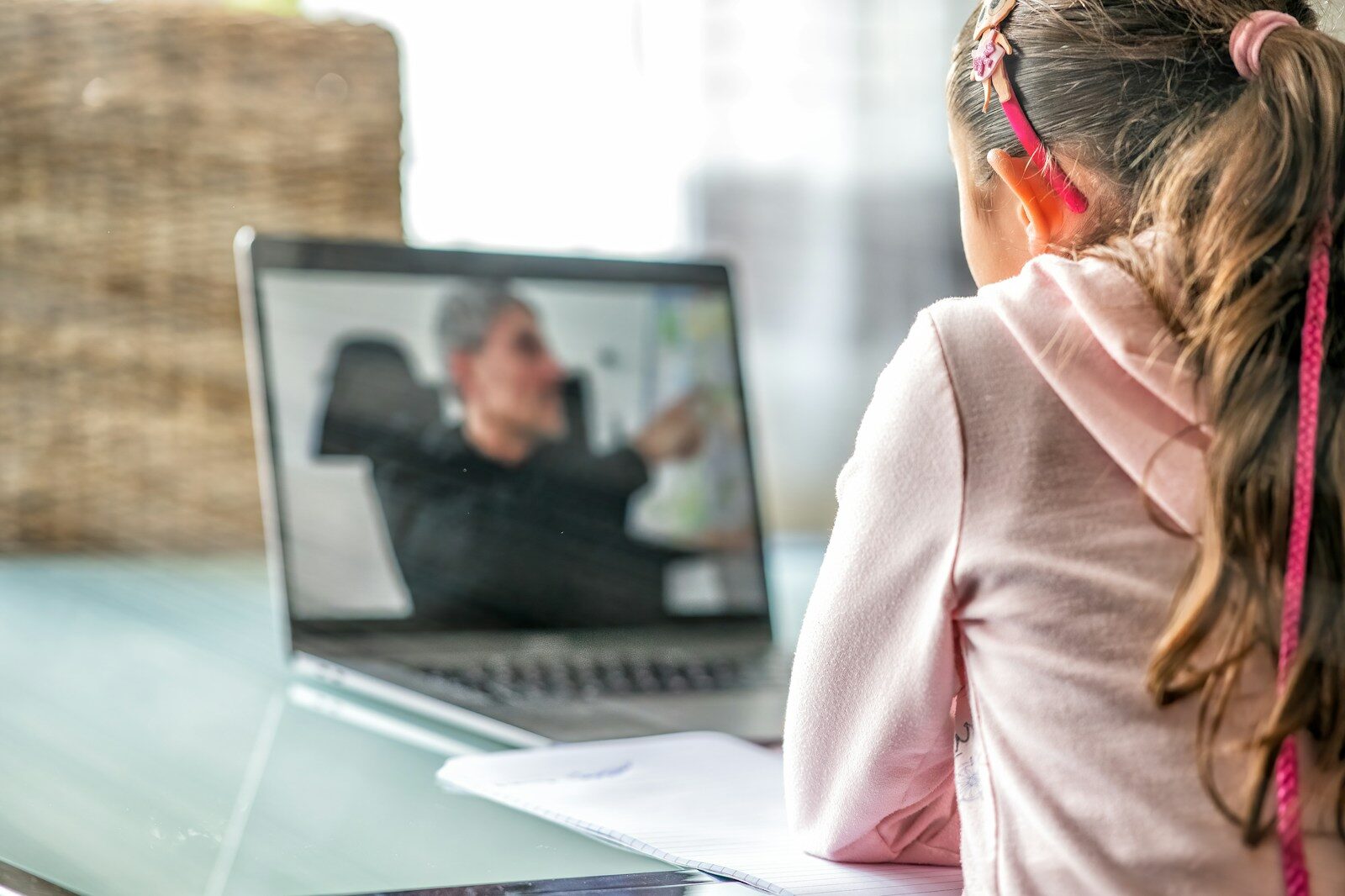
Flipping the classroom means reversing the traditional sequence of instruction. You move passive lectures out of the classroom by recording them as concise digital assets that students watch independently before class. This completely clears out your live, synchronous hours, transforming your physical classroom into an active, high-intensity workshop lab where students collaborate, troubleshoot, and build practical projects under your direct supervision.
At Clacachi Edu Consults Limited, we design the operational and intellectual frameworks for human capital development. Whether we are training young minds in future-ready STEAM tracks, guiding postgraduate researchers through complex research methodologies, or providing an end-to-end Overseas Admission Guide for cross-border migration, we know that true competence requires shifting from passive listening to active execution.
This comprehensive guide serves as your architectural blueprint to seamlessly transition your teaching into a flipped model, optimizing your workshop hours and boosting student engagement without inducing role overload.
The Core Transformation: Reversing the Bloom’s Taxonomy Model
To understand why flipped learning is exceptionally powerful, let’s look at how it restructures the traditional cognitive workload. Under standard models, the lowest cognitive tasks occur in class, while the hardest live outside it. Flipping completely reverses this distribution:
| Instructional Phase | Traditional Classroom Model | The Flipped Classroom Model |
| Out-of-Class Hours | High-Stakes Application: Students try to analyze, evaluate, and create independently without real-time support. | Foundational Input: Students use quiet personal focus blocks to listen to core theory, read definitions, and absorb vocabulary. |
| In-Class Live Hours | Passive Intake: Live time is swallowed by basic listening, reading slides, and simple information copying. | Active Execution: Live hours are dedicated entirely to collaborative engineering, debugging code, peer critique, and deep troubleshooting. |
By moving basic theoretical delivery online, you maximize the value of your direct presence. You step away from being the “sage on the stage” delivering a lecture, and become the “guide on the side” driving the active workshop engine.
Part 1: Architecting Your Online Lecture Vault
The biggest mistake educators make when flipping their classroom is trying to record a continuous, 50-minute video lecture. No student wants to sit through a massive, static video file at home. Your digital assets must be structured like a clean, user-friendly digital library.
1. The Micro-Lecture Principle
Break your topic down into isolated, single-concept units. A high-converting video asset should last between 5 to 10 minutes maximum. If you are teaching data science, do not make a 40-minute video on “Databases.” Make a 6-minute micro-video explicitly focused on “Configuring Foreign Key Relationships in SQL.”
2. Embed Accountability Frameworks
Watching a video is still a passive act unless you build in reflective milestones. Never just say, “Watch this video before Monday.” Pair the video asset with a mandatory, low-stakes accountability tool:
- The Guided Note Outline: Provide a scannable, skeleton worksheet with blank fields that students must fill out while tracking the video data.
- The 1-Question Check: Finish every micro-video with a single, foundational diagnostic question that can be uploaded to your digital portal dashboard before class begins. This gives you instant real-time data on who actually completed the pre-work.
Part 2: Running the Live Workshop Engine
Once your lectures live online, your classroom transforms completely. There are no more rows of forward-facing desks staring at a board. Your space shifts into a dynamic lab layout. Here is how to structure your live workshop time effectively:
1. The 5-Minute Re-Anchor (The Launch)
Do not assume every student retained 100% of the video material. Start your workshop with a fast, high-impact review. Pull up an anonymous “Favorite Mistake” related to the pre-work, or run a 2-minute non-verbal diagnostic check like the Fist-to-Five scale to instantly spot any lingering informational asymmetry before releasing the class into production.
2. Collaborative Studio Blocks
Divide your students into diverse project teams. Hand them a complex, multi-layered problem statement that requires cross-disciplinary execution—such as mapping out a UI/UX prototype layout or evaluating an accounting outflows ledger for a business case study.
Because they have already processed the theoretical definitions at home, they can spend the next 35 minutes using professional workflow tools, debating design logic, and iterating on their assets in real time.
3. Targeted Intervention and Mobility
While teams are working, your role is completely mobile. You walk the room, monitor data tracking sheets, and intervene precisely where systems throw errors. Instead of repeating the same definition 30 times to a passive room, your instructional energy is deployed exactly where a student is facing a practical bottleneck, providing premium, high-utility feedback.
The Step-by-Step Classroom Flipping Roadmap
To successfully transition your educational brand or classroom ecosystem into a flipped, workshop-driven model, execute this procedural integration plan over the next month:
1.Select a High-Stakes Unit and Script Micro-Lectures:Week 1.
Do not try to flip your entire yearly curriculum overnight. Pick one complex, multi-step unit that students routinely struggle to apply independently. Break the unit’s core theories down into a series of 3 to 4 distinct micro-lecture scripts, keeping each under 8 minutes.
2.Record and Populate Your Online Digital Vault:Week 2.
Utilize simple, clean screen-recording software to capture your slides, code layouts, or digital whiteboards. Ensure your audio delivery is crisp and background noise is minimal. Upload these clips into your secure digital classroom ecosystem, paired with scannable guided note templates.
3.Configure Accountability Frameworks and Pre-Checks:Week 3.
Set up your automated digital dashboards to track video completion metrics. Deploy your 1-question pre-class diagnostic checks. Review this incoming data the evening before your live session to identify precisely which concepts require a brief re-anchor during the morning launch.
4.Launch the Workshop Engine and Document Success Cases:Ongoing.
Rearrange your physical classroom into team-based collaboration clusters. Run your live sessions as active, hands-on production blocks. Document your students’ growth curves and build a pristine portfolio of completed projects that can be confidently presented to global admissions or corporate recruitment networks.
Engineering Future-Ready Professionals
Flipped learning does not simply optimize classroom time; it models how the modern global workspace actually operates. In the real world, professionals do not sit in rows listening to lectures; they access digital resources independently to learn new skills, and then gather in collaborative workshops to solve complex problems. By moving passive information delivery online, you dismantle educational fatigue, erase administrative bottlenecks, and transform your classroom into an incubator of global competitive advantage.
Bridge Your Academic Ambitions with World-Class Excellence
Are you an educator looking to master future-forward instructional design, a postgraduate researcher navigating complex data methodologies, or a forward-thinking family seeking an unshakeable edge in international education?
At CLACACHI EDU CONSULTS LIMITED, we operate as Africa’s premier educational vehicle to solve complex institutional bottlenecks and create seamless access to global opportunities. From our advanced STEAM Track Hub to our precision-engineered Overseas Admission Guide, we turn cross-border academic aspirations into verifiable career realities.
Explore Our Core Strategic Services:
- Overseas Admission Guide: End-to-end matchmaking, institutional alignment, and complete application management for fully accredited, top-tier international universities.
- Next-Gen STEAM Track Hub: Hands-on training in coding logic, data analytics, and technical prototyping to prepare minds for high-income global career paths.
- High-Trust Financial & Visa Advisory: Bulletproof advisory for embassy financial proofing (Proof of Funds), regulatory alignment, and secure document verification to ensure seamless cross-border migration.
Take Command of Your Global Journey:
Visit our advanced digital ecosystem atclacachiedulimited.com.ng/contact-us/ to book a secure remote consultation, align your professional milestones, and transform human potential into global excellence today.